It looks like financing fibre optics is becoming more difficult nowadays: how can investors and entrepreneurs successfully navigate their way to profitable investments?
 Of course, there are challenges. These are systemic, including persistently high interest rates, ongoing inflationary pressures, and heightened competition. Additionally, in some regions, end-users remain hesitant to transition from their existing coax or copper connections to fibre. From an investor perspective, FTTH as an asset class continues to face competition from other digital infrastructure sectors, such as data centres. As a result, investors remain cautious and are setting higher benchmarks for their requirements.
On the positive side, we are witnessing a growing number of success stories in the market. These examples demonstrate how well-managed companies with strong track records operate and highlight the business models that are thriving. They also shed light on which markets exhibit robust demand fundamentals.
Through the Investment Committee’s investment tracker, we offer a valuable tool that identifies which companies and geographies are attracting financial backing from investors. This provides clear, actionable insights, serving as an essential guide for investors navigating the FTTH landscape.
How do you see FTTH investments in Europe evolving in the next 12 months?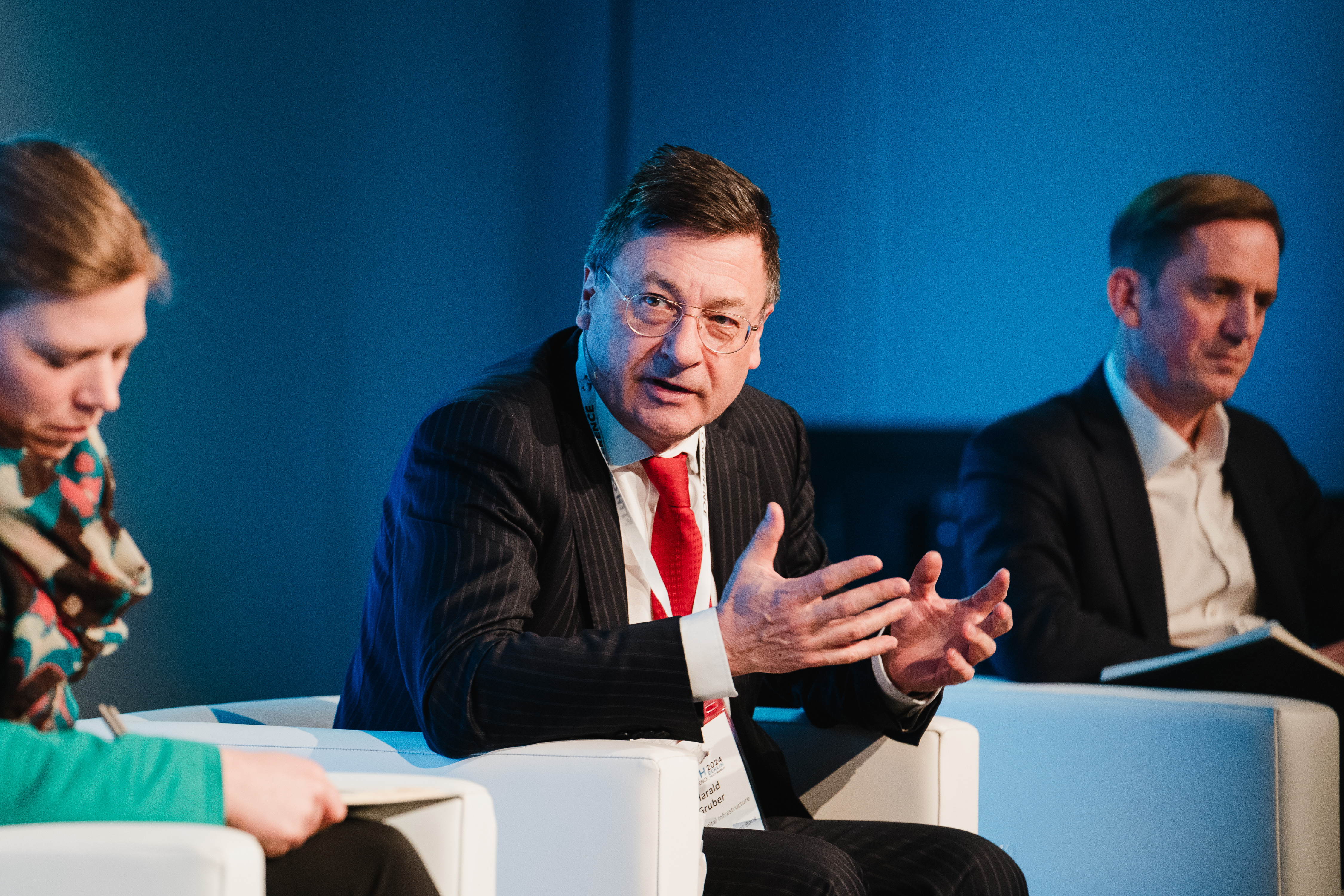
In the next 12 months, we expect FTTH investments in Europe to remain robust, driven by the increasing demand for high-speed broadband and the EU’s digital transformation goals. However, the pace of investment may moderate slightly due to tighter financing conditions and macroeconomic uncertainties. We anticipate a shift towards consolidation, with larger players acquiring smaller operators to achieve scale and efficiency. Additionally, there will be a stronger focus on rural and semi-urban areas, supported by government initiatives and funding programs like the European Digital Infrastructure Consortium (EDIC). Investors will also prioritize projects with clear revenue visibility and lower execution risks. Overall, while the market may face short-term headwinds, the long-term outlook for FTTH in Europe remains highly positive, underpinned by the continent’s commitment to achieving universal fibre coverage.
In the picture on the right, action from the Investors panel at the FTTH Conference 2024, in Berlin.
What are the key opportunities and challenges that the committee anticipates for the industry, and how can these shape fibre investment strategies moving forward?
 The key opportunities for the FTTH industry include the growing demand for gigabit connectivity, supportive regulatory frameworks, and the availability of EU funding for digital infrastructure. These factors create a favorable environment for expansion, particularly in underserved regions. However, challenges such as rising construction costs, labor shortages, and financing constraints could hinder progress. To address these, investors should adopt flexible business models, such as open-access networks, to attract multiple service providers and ensure steady revenue streams. They should also explore innovative financing solutions, including green bonds or infrastructure funds, to secure capital. Collaboration with governments and local authorities will be essential to streamline permitting processes and reduce deployment costs. By balancing these opportunities and challenges, investors can develop resilient strategies that align with Europe’s digital ambitions while delivering sustainable returns.
From an investor perspective, a critical factor is positioning investments to capitalize on the market’s significant medium-term opportunities. This includes pursuing successful acquisitions and leveraging the gradual decommissioning of copper networks, which drives a substantial increase in take-up rates for fibre. By aligning with these trends, investors can ensure their portfolios benefit from the growing demand for high-speed connectivity and the transition to next-generation infrastructure.
In the picture on the left, action from the Investors workshop at the FTTH Conference 2024, in Berlin.
You have been serving as Committee Chair for a few years now, what do you value the most from your work at the FTTH Council Europe?

The FTTH Council Europe plays a pivotal role in shaping policies, fostering collaboration, and promoting best practices across the industry. I take great pride in seeing how our collective efforts have accelerated fibre deployment, bridging the digital divide and enabling millions of Europeans to access high-speed internet. Equally rewarding is the chance to work with a diverse group of stakeholders—operators, investors, policymakers, and technology providers—who share a common vision for a connected future. Ultimately, for me, it’s all about people. Having the opportunity to meet and collaborate with so many passionate and driven professionals in the industry is a tremendous privilege. It’s these connections that truly drive progress and innovation in our field.
In the picture on the right, Thomas Miller is moderating the Investors panel at the FTTH Conference 2024, in Berlin.