Without revealing too much of your work plan, what can we expect from the D&O committee in 2023?
The purpose of the Deployment & Operations committee is to provide the Members of the FTTH Council Europe with expert insights into the latest innovations and trends animating the fibre industry. We regularly organize webinars and produce white papers, often consisting of a high-level technological overview coupled with a practical business case. Our aim is to provide our members with an answer to the important question: “Interesting, but what’s in it for me?”.
Topics of interest for this year center around the role of IT in the future end-to-end process of a fibre operator, from design to deployment, over operation, but even touching upon finance and budget aspects. The vision of the Deployment & Operations committee has always been that the fibre network is an important asset, that should be leveraged as much as possible. As a result, we have outlined how the business case for wireless-wireline convergence is self-evident. This year, we will try to go a step further by showcasing some technological improvements to remove some of the bottlenecks that have slightly held this convergence back, discuss how XGS-PON is ready to support 5G back- and midhaul, and analyse how newer fiber technologies can add fronthaul to this list as well.
In line with this mission, this year’s Deployment & Operations committee workshop at the FTTH Conference will be focusing on the theme of “Fibre for Everything”, supporting the wider sentiment of the council that we should extend the scope beyond FTTH. Past workshops from the committee have always been excellently received and well attended. They provide an opportunity for technical experts to come together and discuss the latest trends they expect to see at the show.
The D&O committee is responsible for the publication of the FTTH Handbook: how did it become such an important resource for the fibre community?
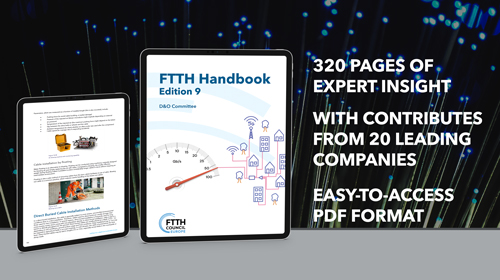
Our flagship deliverable is indeed the FTTH Handbook. The main attraction of this resource is the fact that it is a regularly updated manual that comprises an end-to-end knowledge overview of all aspects related to the fibre industry, from planning, to building and operating highly efficient, future-proof, automated fibre networks. As such, it encompasses a very broad scope of subjects, but it also goes into the details of everything it touches upon, thanks to the multiple reviews and updates which this asset has gone through over more than a decade. For the near future, our plan is to update fewer sections of the FTTH Handbook, but more frequently than what has been done in the past. Please expect some updates around aerial fibre infrastructure this year around!
What are your views regarding the evolution of FTTH technology?
We have seen a spectacular increase in the deployment of fibre networks over the past years. This has mainly been driven by the realization that investments in physical infrastructures continue to pay back well beyond the typical investment horizon operators had been using in the past. When considering a longer time horizon, going for a future-proof technology, that is easy and cheap to maintain and operate, is the real key. Fibre therefore becomes an easy choice, and the innovation in FTTH technologies is continuing. I expect the active components to move forward and cost-effectively support even higher data rates. From a use case perspective, I expect fibre to extend beyond FTTH, moving into the enterprise, industry, wireless backhaul, and much more. From the passive side, I expect solutions that continue to help operators bring down operating costs. This is also the case for innovations around cloud-native management of these networks.
Generally speaking, what is the profile of the companies joining the D&O committee?
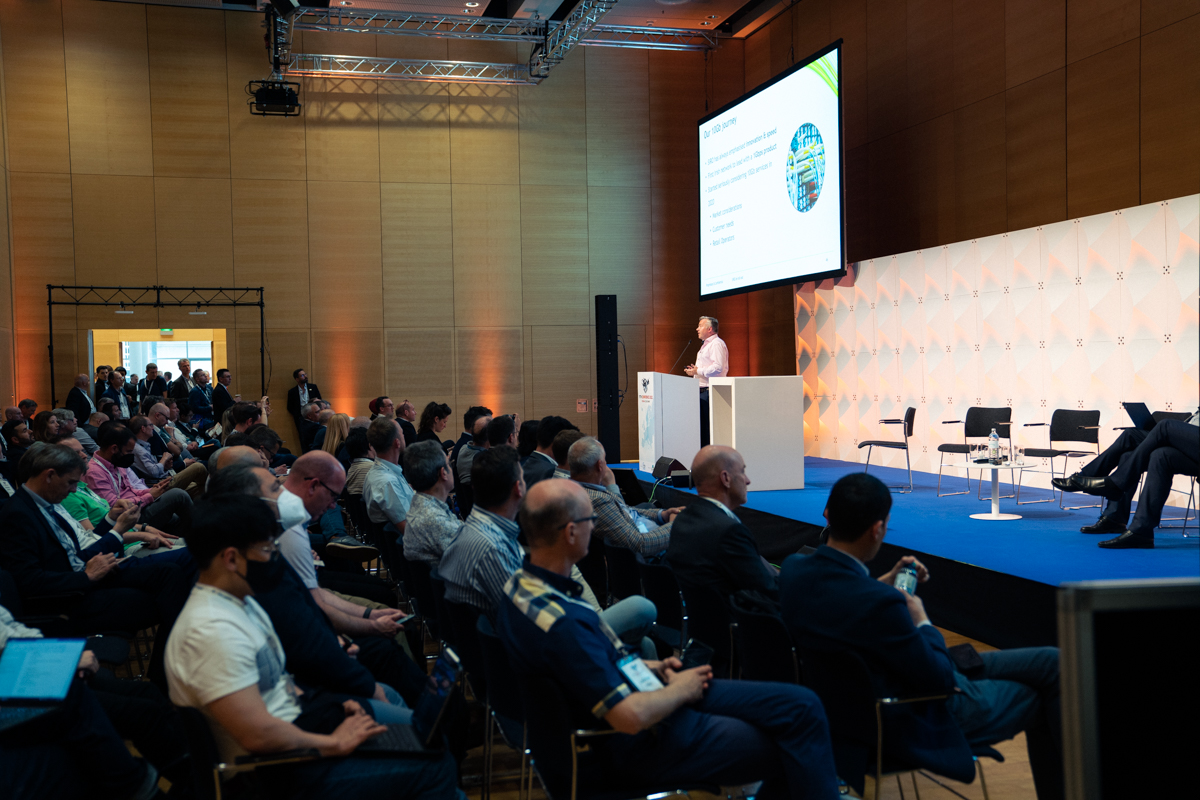
The members of our committee are interested in the fundamentals of the industry they are working in. Most of them are technical experts in one specific field, and are keen on sharing their knowledge with others, but also learning from others. For the future, I would very much welcome some additional operator members to join the committee, as this part of the value chain is less represented than others. Hearing the point of view of operators would be extremely enriching for the Deployment & Operations committee, as telecom operators are ultimately those running and operating the technology we are making available.
Finally, the ultimate benefit of taking part in the activities of the Deployment & Operations committee is to acquire and share cross-knowledge oh how an FTTH network work and will work in the future, from a wide range of technical experts, or experts-to-be.