How do you see FTTH investments in Europe evolving in the next 12 months?
Over the past decade, the European fibre sector has attracted billions of euros in investment. Thus, many investors have built up large exposures in the fiber sector, often to their limit. Which is a technical reason why the market for fibre investment in 2023 has become more challenging. More importantly, the mentality of "build and they will come" is clearly outdated. In some regions, providers are struggling to meet their economic targets.
Overall, investors are taking a much closer look at fibre operators than they were a year ago. This makes it difficult for some providers to raise the funds they need.
Existing players may have to rethink their growth strategy and think about cooperating with competitors or even cutting costs and optimizing processes. In the UK and Germany in particular, we are likely to see more restructuring. Mergers, acquisitions, and joint ventures will enter the stage. It’s climate change, if you will.
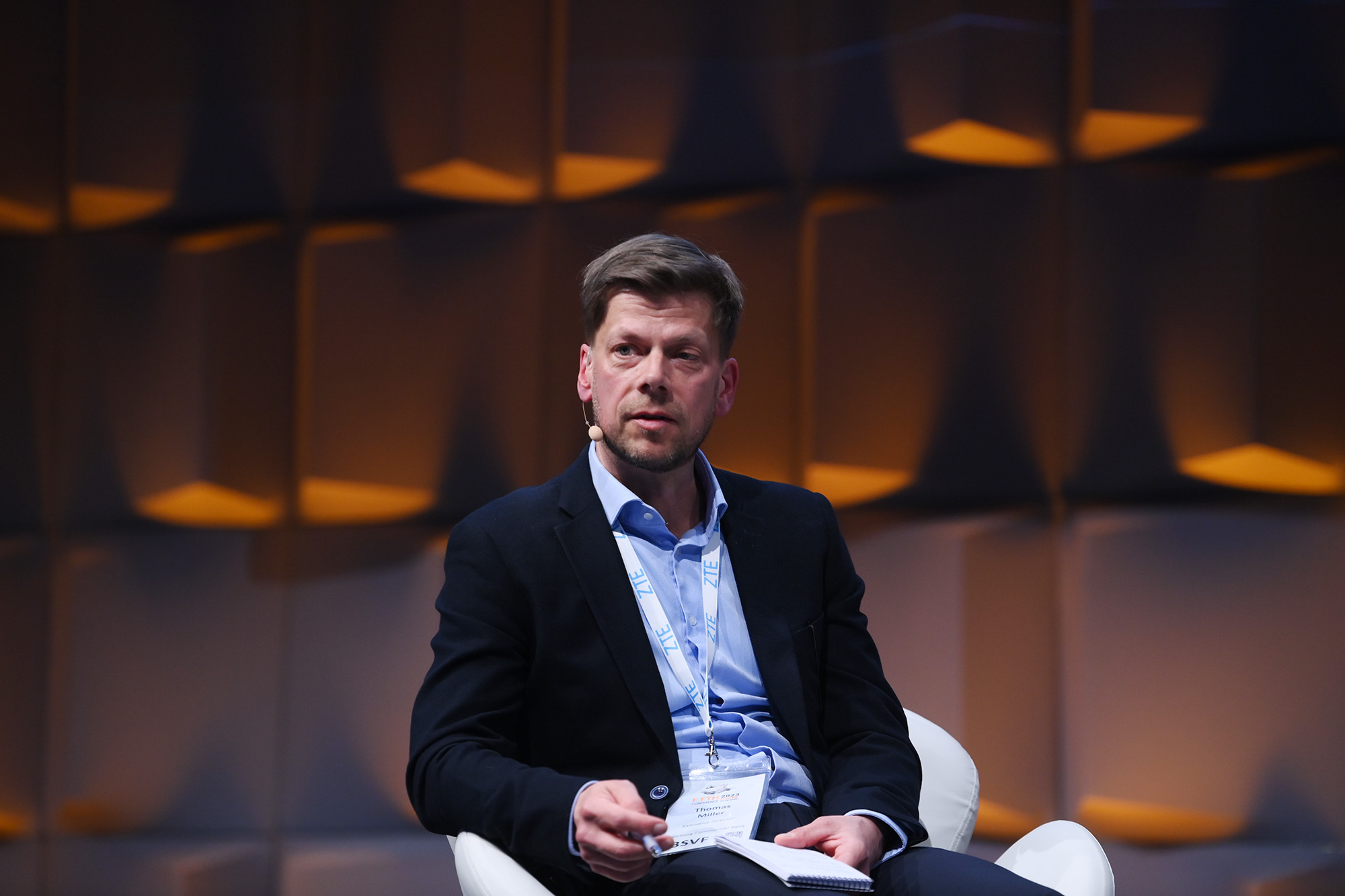
In the picture on the right, Thomas Miller moderating "Panel 5 - Investors Panel" during the FTTH Conference 2023 in Madrid.
From an investor perspective, what are the key factors you keep into account while assessing fibre networks financing?
Clearly, investors require a good track record. The focus is much more on ARPU and how many of the homes passed have actually signed up. Speaking of “homes passed”, this KPI has lost much of its relevance. If anything, investors are looking at “RFS” (“ready for service”). But, to reiterate a key fact, investors are paying much more attention to cash generation today than they did in 2022, which means greenfield investments (i.e., investments with no track record) are often off the radar.
Investors are also much more aware of vendors' business models, especially when comparing wholesale to retail. They also value providers adapting to the "climate change" that has gripped the fiber landscape. This means some are likely to support reasonable plans on how to successfully address the challenges ahead. Such support may include short-term extensions of debt or accommodating waiver requests.
It looks like financing fibre optics is becoming more difficult nowadays: how can investors and entrepreneurs successfully navigate their way to profitable investments?
I didn't mean to sound overly pessimistic. Fibre is a key technology for Europe, we need this infrastructure. There is therefore no doubt that we will manage the roll-out overall. Like in every dynamic market opinions, strategies and forecasts are diverging more strongly. In such an environment, it is essential to base decisions on a solid foundation of good information.
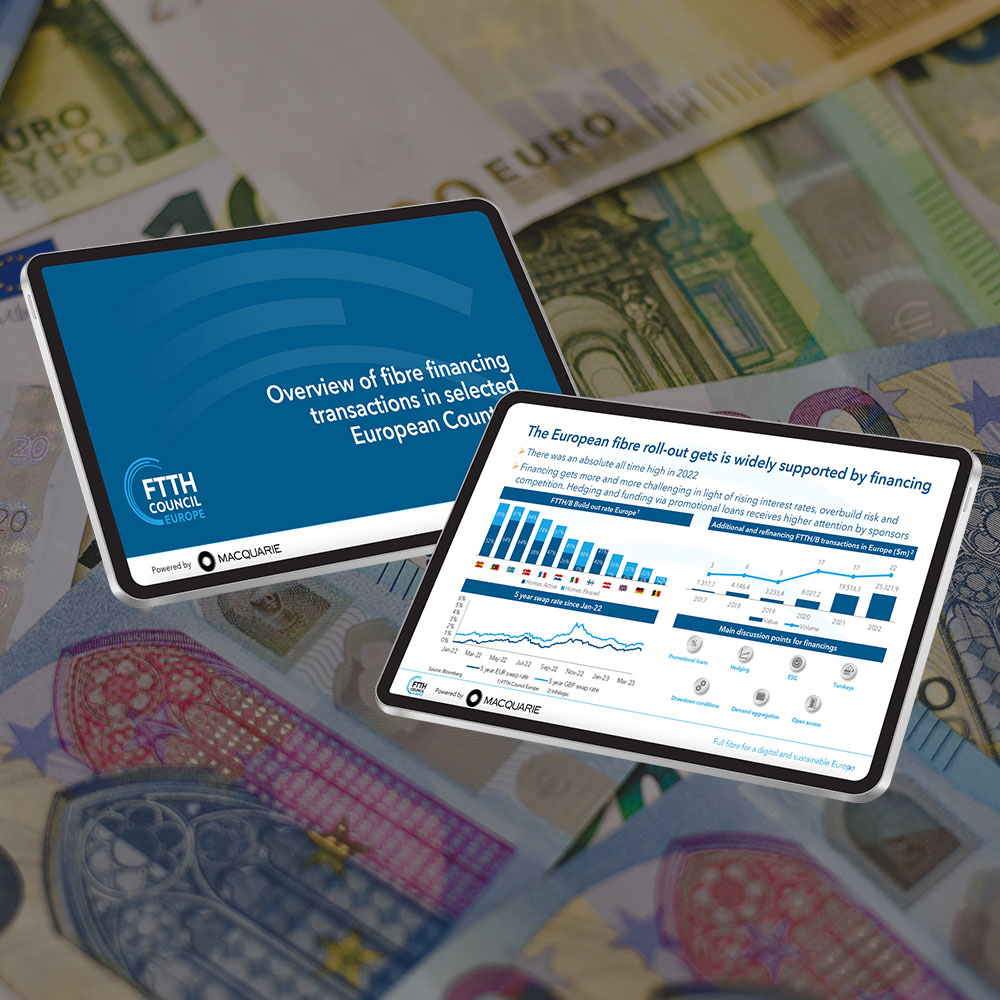
The Investors Committee would like to contribute to this with our Investment Tracker, which we produce twice a year together with Macquarie. In it, we show current developments in credit volumes, interest rates, KPIs, covenants and information requirements for the main European regions.
In addition, our Guide to Successful Fibre Business Models provides a good overview of the business models relevant on the market. These differ significantly in terms of opportunities and risks and thus in the structure of an investment.
What can you tell us about the upcoming initiatives from the Investors Committee?
It is certainly not easy to keep track of things in the current environment. But that is precisely why our approach is not fatalistic. We firmly believe that the future can be shaped. To this end, it is more important than ever that entrepreneurs and investors talk to each other. We have our Investors Committee for this exchange. With the Investment Tracker and the Guide to Successful Fibre Business Models, we continue to produce decision-relevant information. However, sensemaking is also important, and that is what we do in the dialog between our committee members.