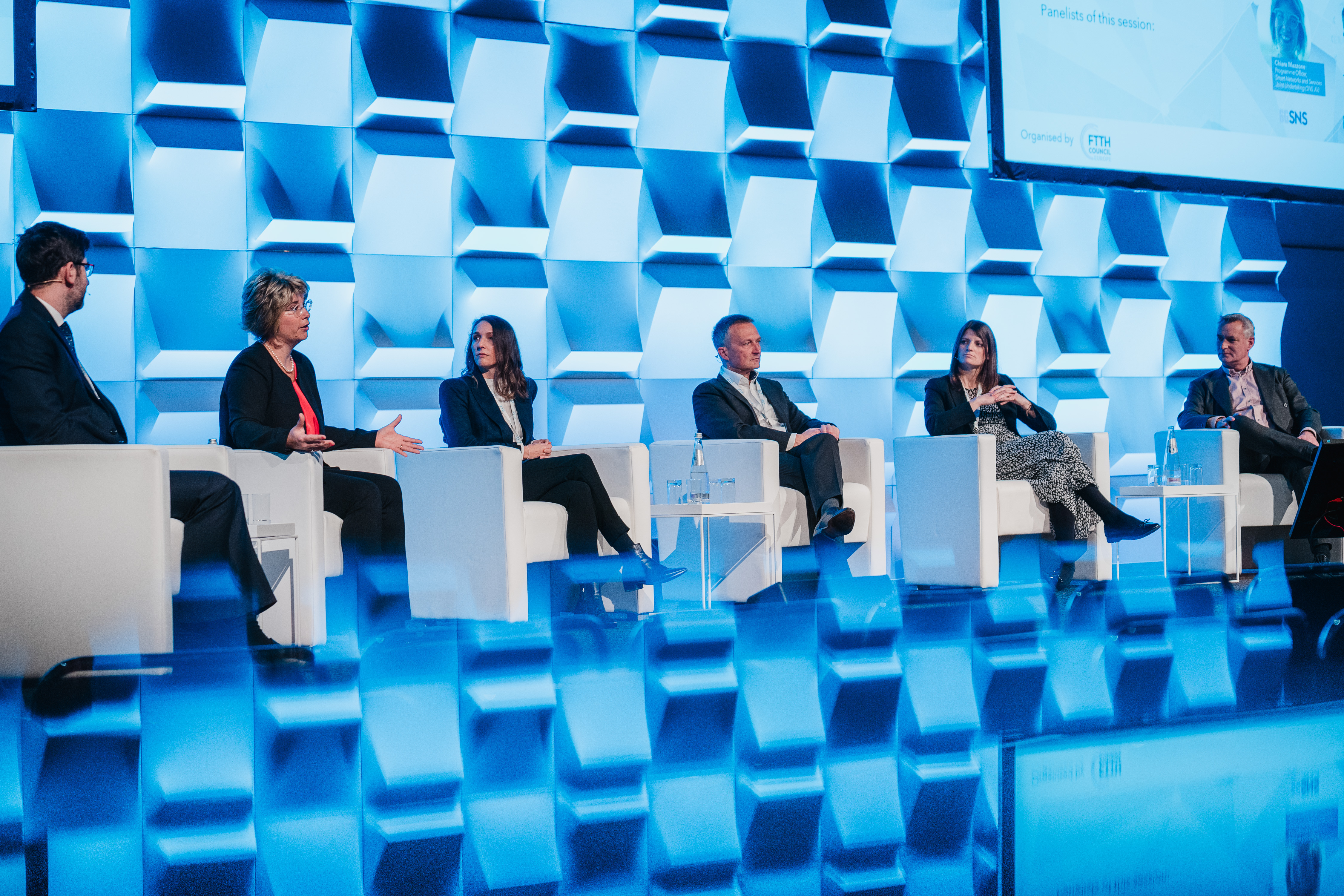
What are the biggest sustainability challenges currently facing the fibre industry, and how does the committee address these?
The biggest challenge is to reduce the impact of carbon emissions as individual companies and as an industry as a whole. To do this, we need each other, because we are all part of the same value chain. Until about two years ago, many companies worked to reduce their own direct carbon emissions, for example by purchasing renewable electricity. Currently, we see companies aiming to reduce their suppliers' CO2 emissions (scope 3) as well. This creates a greater dependency between the chain partners. At the same time, this also provides opportunities to start sustainability projects with each other so that there is a win-win situation for both parties. A win-situation for the manufacturer because they develop a more environmentally friendly and future-proof product and a win-situation for the customer because this contributes to the reduction of their scope 3 emissions.
Another challenge is raw materials and materials used within our industry. This includes both scarce and environmentally unfriendly raw materials. As part of circularity, more diverse and new ways of recycling materials and equipment need to be developed. But this will not be enough, new developments are also needed such as raw materials and materials from waste streams originating from other sectors for production in the FTTH sector.
An operational challenge is the increasing regulations and reporting requirements around sustainability. On the one hand, this is a very positive development because it provides more transparency about the results achieved within the sector. But it also results in an increase in different reporting systems, which requires companies to spend extra time. The same also applies to companies that, because of the upcoming obligation, have to make important preparations to be able to report according to this directive from 2025-2026.
In the picture above, the speakers during the Sustainability panel at the FTTH Conference 2024 in Berlin.
You recently launched the FTTH Carbon Footprint Cooperative Platform; could you tell us a bit more about this initiative, and how the industry can benefit from joining?
The purpose of the FTTH Carbon Footprint Cooperative Platform is to calculate and provide insight into the CO2 emissions of the entire FTTH sector in Europe. This is unique and as far as we know no other industry association facilitates and enables this in this way. This is done in the Platform by having participants calculate or report their entire carbon footprint (scope 1, 2 and 3) if they already calculate it independently. Each participant has a certain position in the value chain and therefore one party's CO2 emissions have an impact on another party. By bringing together the CO2 data of the individual participants, we can calculate the CO2 emissions of the whole sector. In the pilot project, we developed the Sector Observatory model that allows us to calculate the average CO2 emissions for the different links within the sector, as well as metrics such as CO2 emissions per household.
Carbon assessment is currently becoming mandatory for organizations of various sizes. However, it can be complex to organize and process. The Platform aims to ensure that companies can use the same standardized methodology and improve the quality of sustainability information for investors and partners throughout the chain. This approach will also enable communication on decarbonization of the entire FTTH sector and create synergies around greenhouse gas (GHG) emission mitigation. The more companies participate, the more accurate the reporting will be and the easier it will be to identify improvement opportunities and levers for individual companies and the sector.
In order to meet the energy targets for 2030 and reach the objectives of the European Green Deal, it is vital to direct investments towards sustainable projects. Why do you think fibre should be considered as a "green asset" for investors in the context of the EU taxonomy?
A very important “green” advantage of fiber optics is that the environmental impact of fiber optic networks is many times lower than that of other connectivity technologies, both in terms of material use and energy consumption. Using a fiber network instead of a copper network, for example, already reduces carbon emissions by default.
Developments within the equipment in the networks have made them significantly more energy efficient in recent years, and this development will continue in the coming years. Manufacturers of cables, ducts, CPEs and other products and materials are making their products increasingly circular. This means that the industry is future-proofed and becoming greener because of these innovations.
In addition, the fiber sector has a ‘positive-impact’ side. This means that applications of fiber networks provide environmental benefits and a reduction in carbon emissions. This impact cannot be underestimated. The Science Based Target initiative (SBTi) indicates that digitization can lead to a 15% reduction in carbon emissions in other industries. While the FTTH Carbon Footprint project shows that CO2 emissions from the FTTH sector are only 1.1% of the total CO2 emissions from all industrial processes combined.
Looking more specifically at the FTTH sector, the positive impact is also significant. The FTTH network allows people to work from home and do online shopping, resulting in a reduction in the CO2 emissions they produce.
What should we expect from the committee in the months ahead? 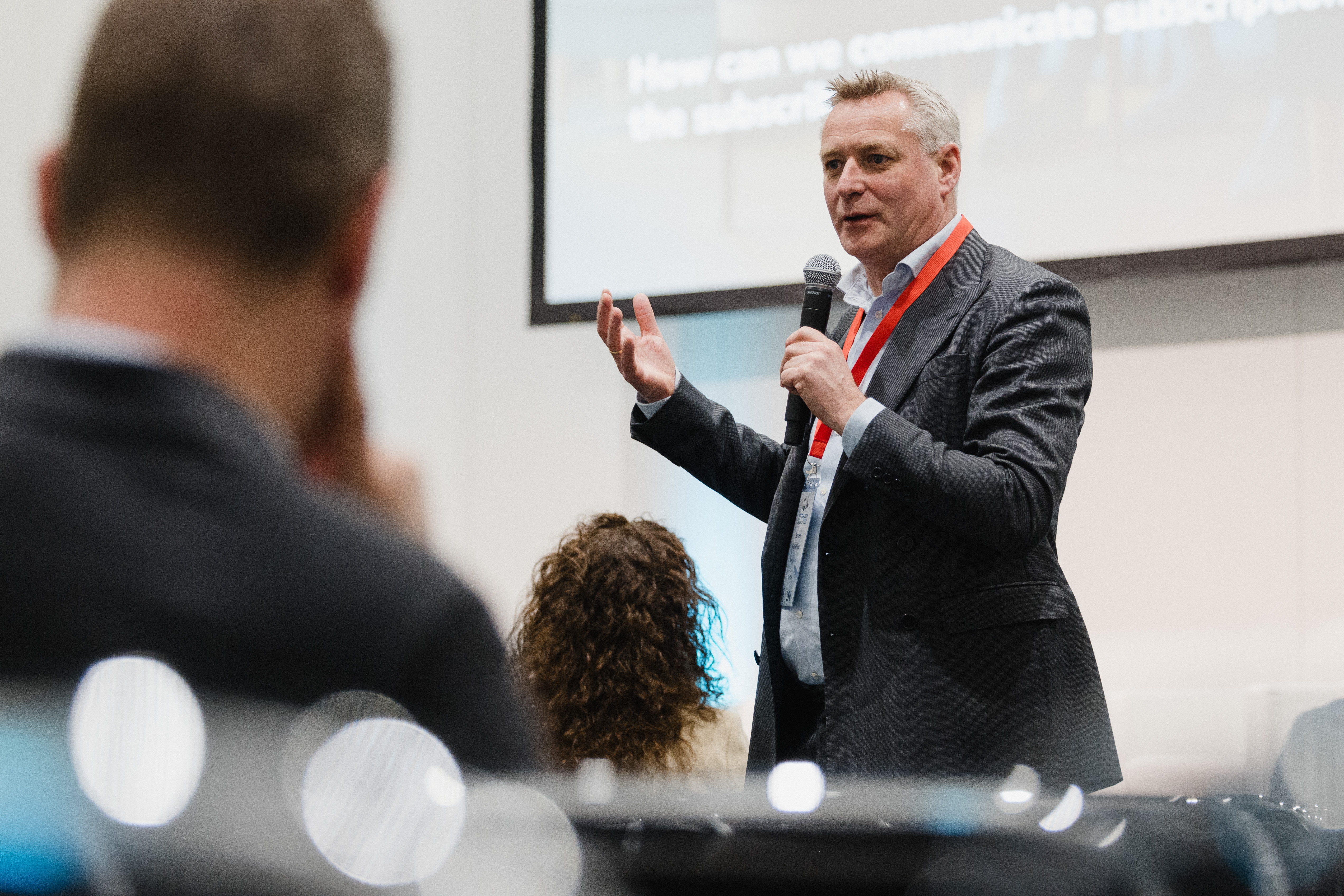
The continued rollout of the FTTH Carbon Footprint Cooperative Platform is a key activity of the committee for the remainder of this year (2024). We want to encourage as many members as possible to participate so that together we can generate more accurate data on the sector's carbon footprint. In addition, we would like as many participants as possible so that we can exchange more knowledge on the (online) Platform and thus, as a committee and council, unburden our members. This way we offer even more added value to our members.
In addition, we continue to share knowledge on the implementation of the Corporate Sustainability Reporting Directive (CSRD). My goal is not only to share knowledge, but that we can develop tools that many of the members can benefit from.
Circularity is an inseparable part of sustainability and as a committee I want to flesh this out in the coming months. As members of the committee, we need to work on definitions of circularity, think about developing standards and possibly create a circularity formula to express the circularity of a product in a metric.
In the picture above, Jeroen Kanselaar during the workshop titled "Making the leap from ESG checkbox to business reality" at the FTTH Conference 2024 in Berlin.